Why We Teach Spanish Through Stories, Not Vocabulary Lists

Published onSep 05, 2025 • • ViewBehind Woolyblog posts
One question I get asked all the time is:
“How do you come up with your stories?”
Although our process has changed over the years, one thing has never changed:
Why we don't start with a vocabulary list
That might sound a little strange. Isn't Señor Wooly's goal to teach Spanish?
Yes, that is our goal, but the story comes first. Only after the story is fully figured out do we choose the simple language required to tell it.
I know that might sound backwards. After all, if we want to make a song about weather, shouldn’t we start with a list of key vocabulary like hace mucho frío, hace viento, and nieva and squeeze them in?
That was a trick question! We never set out to write “a weather song.”
Instead, we start with the core story ingredients: a great idea, compelling characters, rising action, climax, and we always end with a perfectly blissful happy resolution for everyone because we at Señor Wooly love our happy endings. 😅
But we're not zealots! While writing, we often discover that the story naturally fits into a common Spanish unit. When that happens, we happily lean into it, as long as we don't have to sacrifice story in the process.
A Spanish feelings song that didn't start as a feelings song
¿Cómo estás? ended up perfect for teaching feelings and descriptions, but it started as a story about a magic mirror. The language came after.
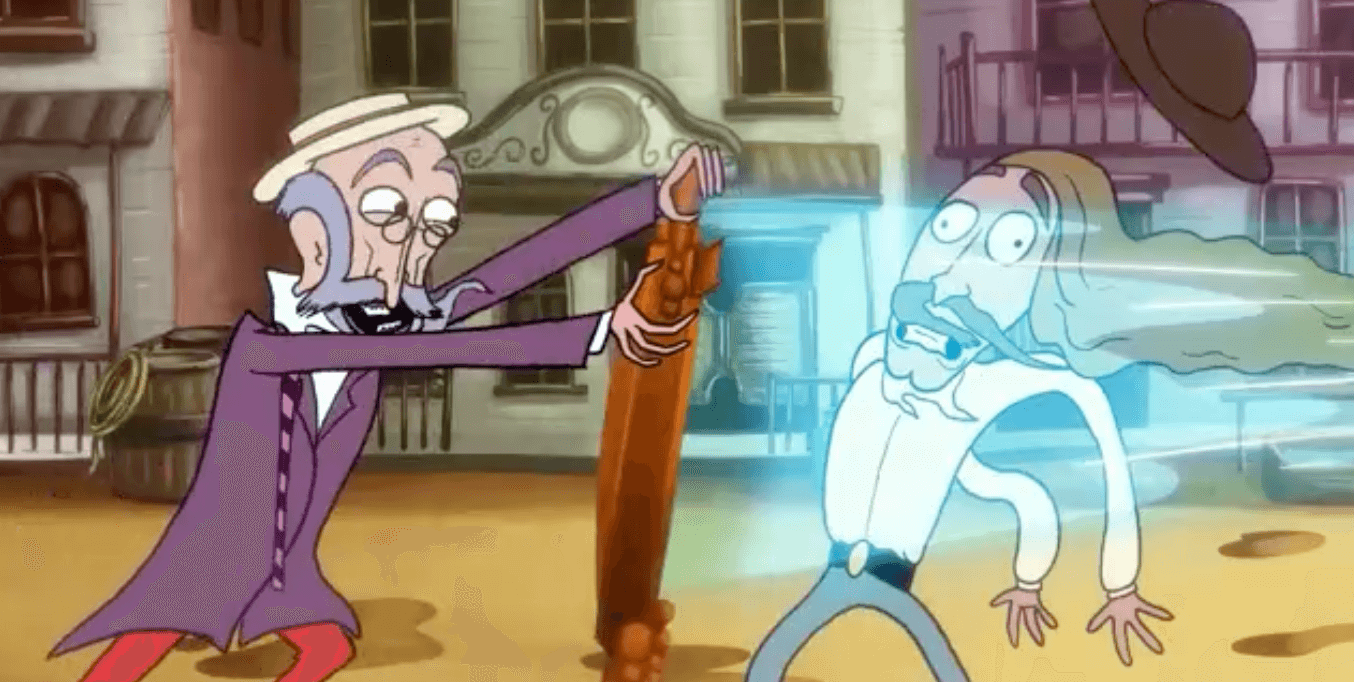
¿Cómo estás? works beautifully for feelings and descriptions. But it started with a magic mirror, not a vocabulary list.
Why storytelling works so well in the Spanish classroom
Embracing story first is exactly why students and teachers connect with Wooly stories in a way they don’t with most educational content.
Students can tell when a song exists mainly to deliver a vocabulary list. Start with a real story, and they feel the difference.
Students have a reason to keep listening
When students are drawn into a story, they want to know what happens next. That gives them a reason to keep listening even when they don't understand every word.
Stories lower barriers to understanding
Hearing Spanish through a high-interest story can make harder language easier to follow because students desperately want to understand what’s happening. The story gives the language context.
Stories make basic Spanish worth revisiting
Advanced students still desperately need exposure to basic Spanish.
But instead of giving them a lecture about why “Me llamo es” is incorrect, let them watch the Víctor series: Guapo, La confesión de Víctor, and Feo. A good story can reinforce those basic habits without making the language feel basic.
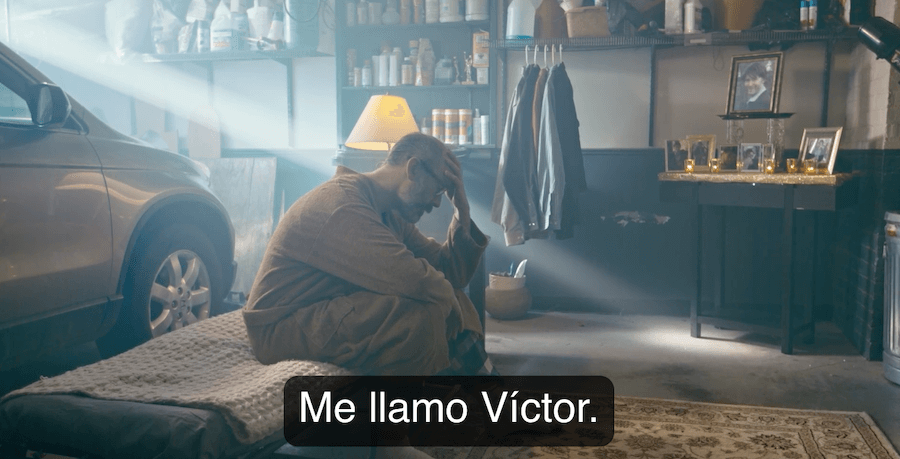
Víctor in La confesión de Víctor. Basic language. Not exactly a basic story.
It's more fun
You’ll never convince every student to love Spanish, but nobody has to be convinced to love a good story. Enjoyment comes first; the Spanish follows naturally.
Story first doesn't mean language doesn't matter
None of this means we don't care about the Spanish. Of course we do. That's the whole point.
And when a story naturally gives us a great way to teach something teachers already need to teach, we absolutely take advantage of it.
We just don't want the vocabulary list to be the thing that decides what story gets told.
Want to teach Spanish through stories?
That’s what Wooly is built around: memorable stories, music, and scaffolded classroom materials designed to give students a reason to understand the Spanish.
Explore Señor Wooly →

