
It can be exciting to show a brand-new video to your students.
You already know the moment that’s going to make them laugh, or gasp, or turn to the person next to them with a look that says, What the heck are we watching? You also know how a great video, if it hits, can create so much positive classroom culture among your students.
So, naturally, you want to get to the fun! Your finger hovers over the play button. Your students lean forward in anticipation.
But, hold up, I have some advice:
Don’t. Click. Play.
Clicking play right away will be a catastrophic mistake with repercussions that reverberate through the rest of the school year, permanently alter the culture of your classroom, and possibly affect the trajectory of these students’ lives for generations to come.
Why you shouldn’t show a new Spanish video cold
Take a step back and think about what’s going through your students’ minds when you introduce a video cold.
They don’t know the characters. They don’t know the story. They’re not yet familiar with the language in the song. They have absolutely no connection to this thing.
And that absence of connection creates the single most damaging thing in a middle or high school classroom: a power vacuum.
Within seconds of the video playing, students start looking around. But they don’t just look at any random person. They look directly at Mateo, the kid who, for some inexplicable reason, has been blessed with the most social capital even though you’re like, really, THAT KID?
So what does Mateo think? Does he find it interesting? Funny? Stupid? His face is impassive. Maybe he likes it? Oh no, Mateo just rolled his eyes! No, he’s pulling out his phone! And just like that, everyone else has their answer. Now Mateo’s best friend Sasha is rolling her eyes. A few other students start whispering. Someone groans. The infection is spreading!
Meanwhile, you’re at the front of the room witnessing the carnage unfold. You make eye contact with Mateo. Only he has the power to turn this around! In desperation, you resort to the most powerful weapon in the teacher arsenal: you stand near him.
But it doesn't work.
Before the song has even hit the first chorus, the classroom’s hatred of this particular video has already cycled through the room ten times. And when it’s over, even your kindest and most enthusiastic student announces that she thought it was kind of stupid, and everyone chimes in in agreement.
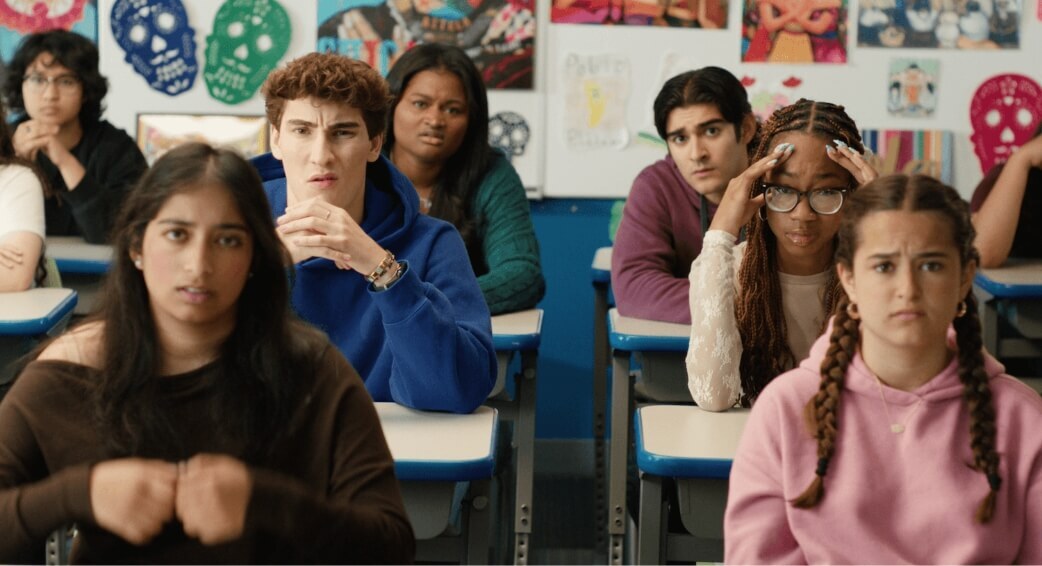
You’re gutted. You had heard how popular this video was from other teachers. You had big plans to spend a few days on this! And now they’ll groan any time you play it.
Even weirder, you already showed this video to the previous period, and they loved it! What the heck?! They’re the same age in school, the same proficiency level in Spanish. They eat lunch together! How could their reactions be so wildly different?!
Well, there’s a good reason for the wildly different reactions.
Every class has its own culture and power dynamics. And when students have nothing else connecting them to the video, those dynamics rush in to fill the vacuum. Sometimes those dynamics work out in your favor, and you might even find a spontaneous singalong breaking out. Other times, it leads to the death of fun, where they don’t just hate this video. They hate you for daring to bring it into their lives.
Even the most experienced teachers can get swallowed up by that void.

Fill the vacuum first
So before we click play, we have to fill that vacuum with something better.
Fortunately, there is so much we can fill it with.
And this is where this article is going to become frustratingly incomplete. Because what you do before clicking play could probably fill another 20 blog posts. Maybe someday it will.
For now, the important thing isn’t that you use one particular strategy. It’s that you give students something to connect to before the video starts.
A few options:
- Pre-teach some language.
- Introduce a character or a problem without telling them how it turns out.
- Show a few screenshots and talk about what’s happening.
- Play the instrumental music during passing period so the song starts to feel familiar before they even know what it is.
- Do a gallery walk with images from the video.
The goal isn’t just to prepare them for the language. It’s to make them curious about the story, so that when they eventually watch it, they already have so many connections to the imagery, language, and characters that they’re watching the video instead of watching Mateo.
But I get it. You want something more concrete.
Good news: If you use Wooly, we’ve already done a lot of this work for you.
¿Puedo ir al baño?
In our Spanish music video lesson plans, we always build familiarity with the language and story before students ever watch the video. So on a five-day lesson plan for, say, ¿Puedo ir al baño?, they won’t even see the video until Day 3.
By then, they’ve already spent two days with the language, characters, imagery, and ideas from the story.
See the Baño lesson plan →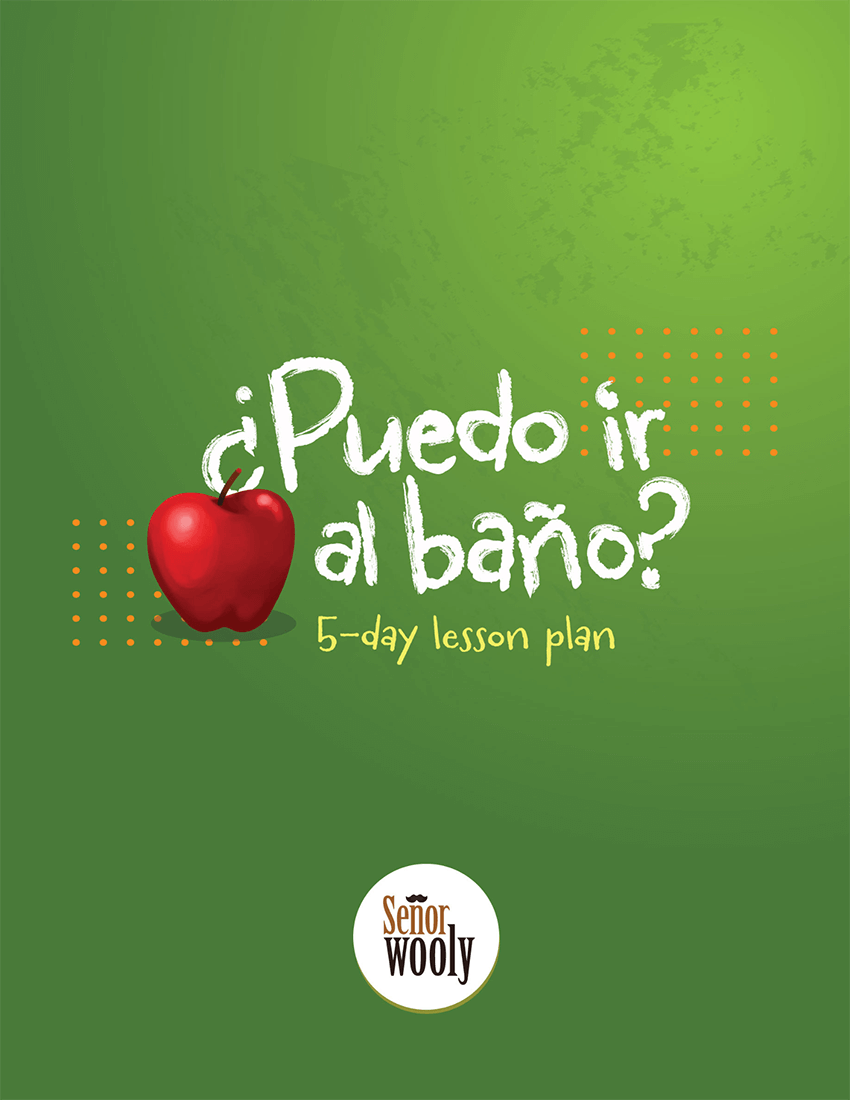
Now get out of the way
For the last two days, you’ve been asking questions, teaching language, guiding conversations, making sure students understand.
It’s finally time to click play. But now, your job changes.
Now get away from the whiteboard.
Seriously. I want you to move clear to the other side of the room. Sit in the back. Go test your Expo markers and throw out the ones that died three years ago. Find somewhere else to be.
The closer you are to the screen, the more likely students are to associate what they’re watching with you.
Suddenly their feelings about this video are tangled up with their feelings about you. Or Spanish class. Or the mild annoyance they still feel because you just told them to put their phone away.
To a certain degree, there’s no getting around this. They are in school, after all, and you are their teacher. They didn’t choose to watch this video. They didn’t choose to have Spanish class at 8:04 in the morning.
But we can at least try to help them forget that for a few minutes. Let them kick back and experience this as a real story they’re allowed to enjoy.
And please, don’t give them a worksheet
This is where I think we teachers sometimes have trouble trusting ourselves.
We’ve spent two days preparing students for a video, and then the moment we finally show it, we think:
Okay, but what are they going to DO while they watch it?
Don’t make them do anything!
Don’t give them a worksheet. Don’t give them blanks to fill in. Don’t tell them to write down three things they notice. And for crying out loud, don’t pause every 15 seconds to ask a comprehension question.
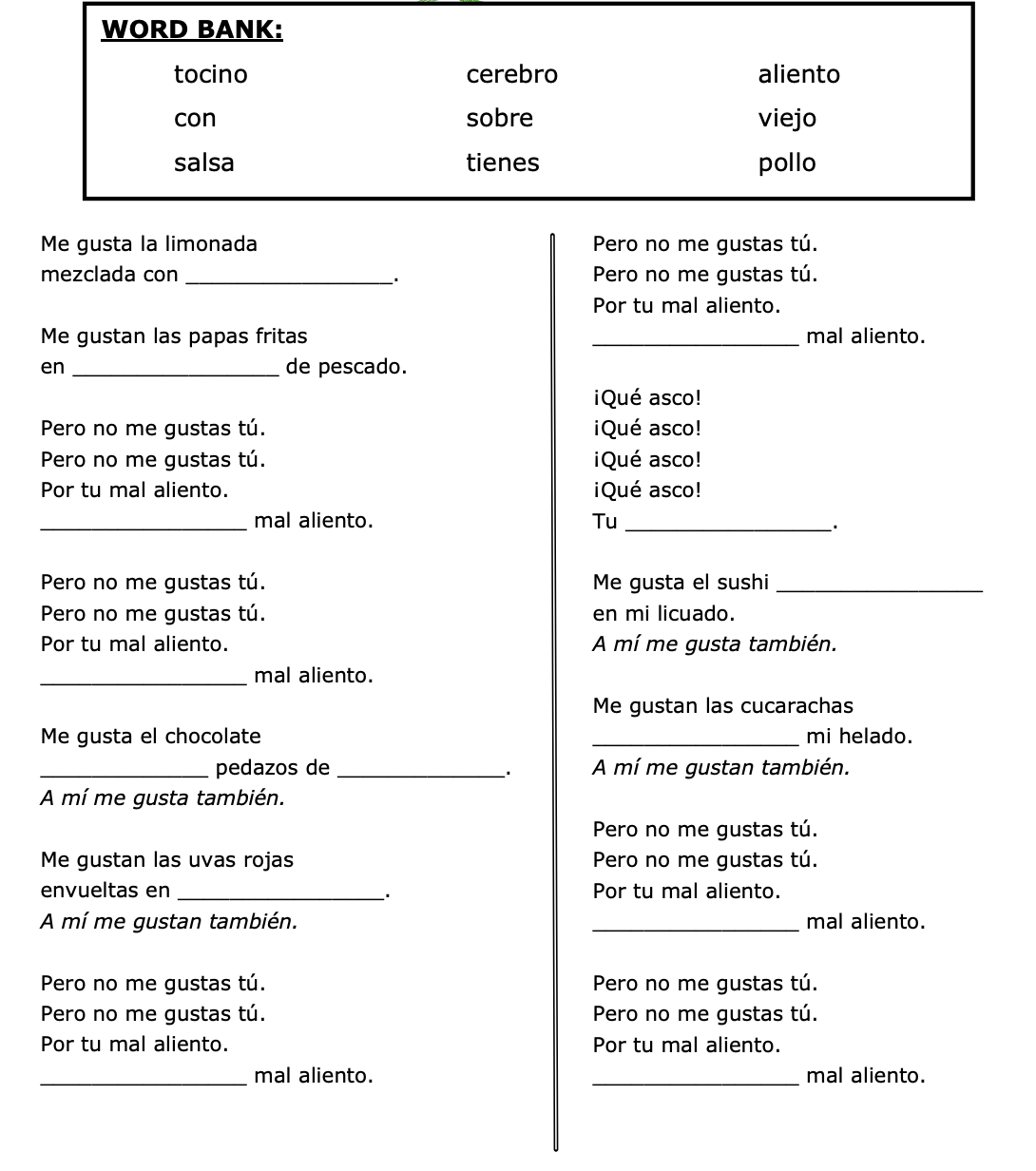
A cloze activity for the Wooly music video ¡Qué asco! If students’ first experience with the video is a worksheet like this, don’t be surprised if they sour on it.
You only get one first viewing
They will never again watch this story without knowing what happens next. They’ll never again wonder whether their prediction was right. They’ll never again experience that joke without knowing the punchline.
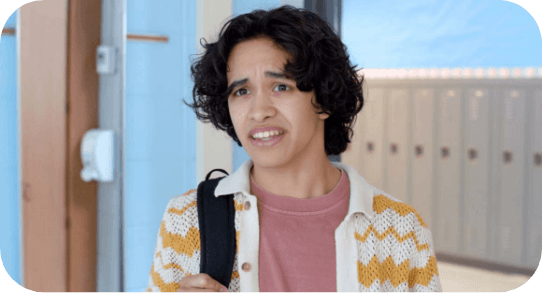
Your students only get to see Tarde for the first time once. Let them actually watch it.
So don’t sully the story by turning that first viewing into an assignment.
You’ve already done the work. You’ve given them the language. You’ve built the curiosity. You’ve given them reasons to care about what happens next.
Now trust your work.
Turn down the lights. Get away from the screen. And click play.


